
FE Model Overview
Before running a thermal (or any) analysis, we must create an FE Model and its Boundary Conditions.
To review the detailed steps of creating an FE Model and common Boundary Conditions in nTop, please refer to the 240: Intro to Simulation course.
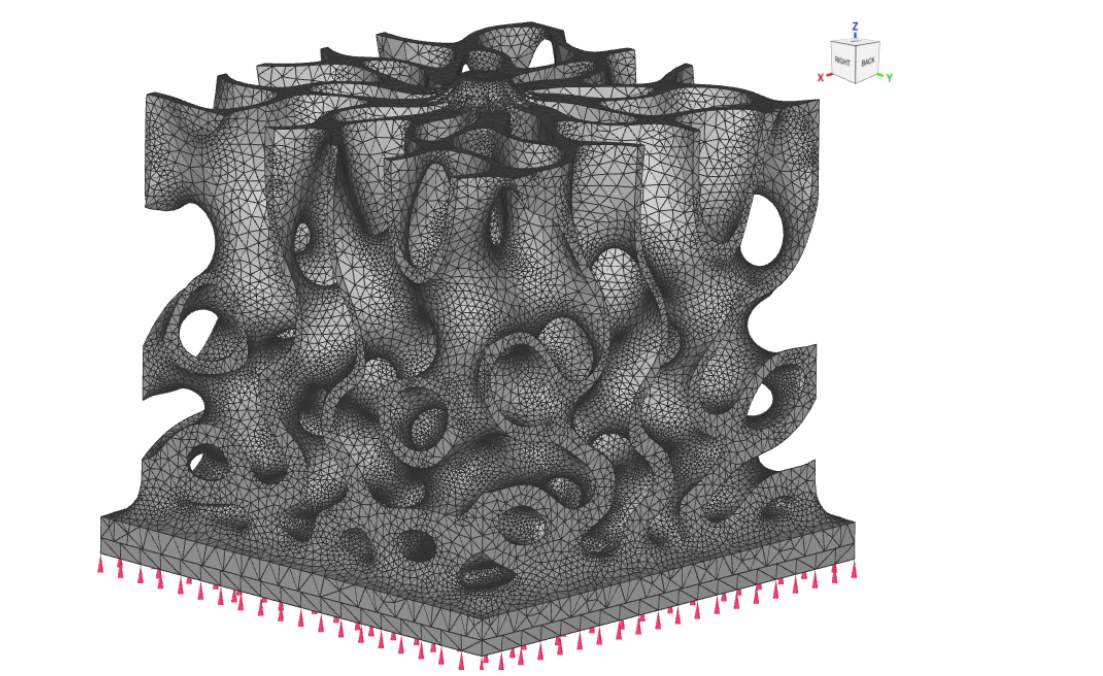
A thermal FE model is similar in its formulation to a typical FE Model used in a Static Analysis, except that it includes specific thermal attributes like:
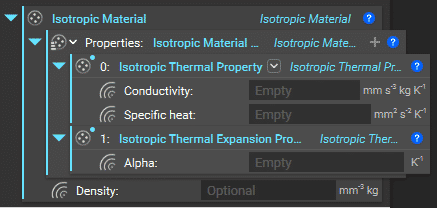
Thermal Material Properties (specific heat, thermal conductivity, coefficient of thermal expansion, density)
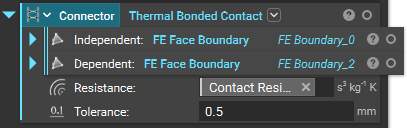
Thermal Connectors (if there is more than one component, and you desire heat transfer between them)