
Graph Unit Cells
You can use the Graph Unit Cell block to create a Periodic Lattice. A Unit Cell Preview will pop up when selecting your Unit Cell type, and you can change the parameters in the view settings from the Display tab on the Right Panel. You can toggle between Implicit and Graph display modes. With Implicit display mode, you can change the Thickness of the Unit Cell to view a 3D rendering. You can also toggle the Bounding Box view to show the extent of the Unit Cell.
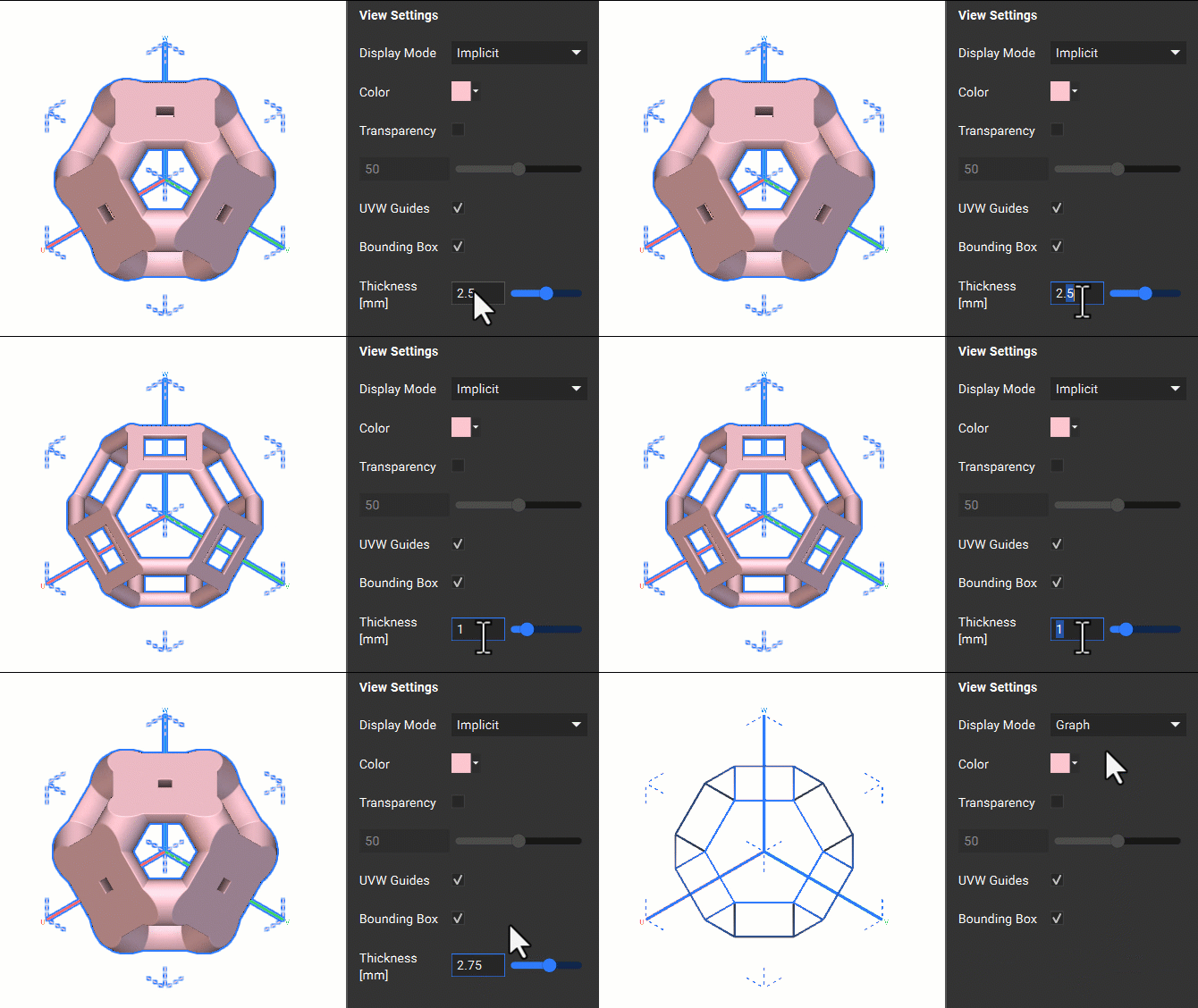
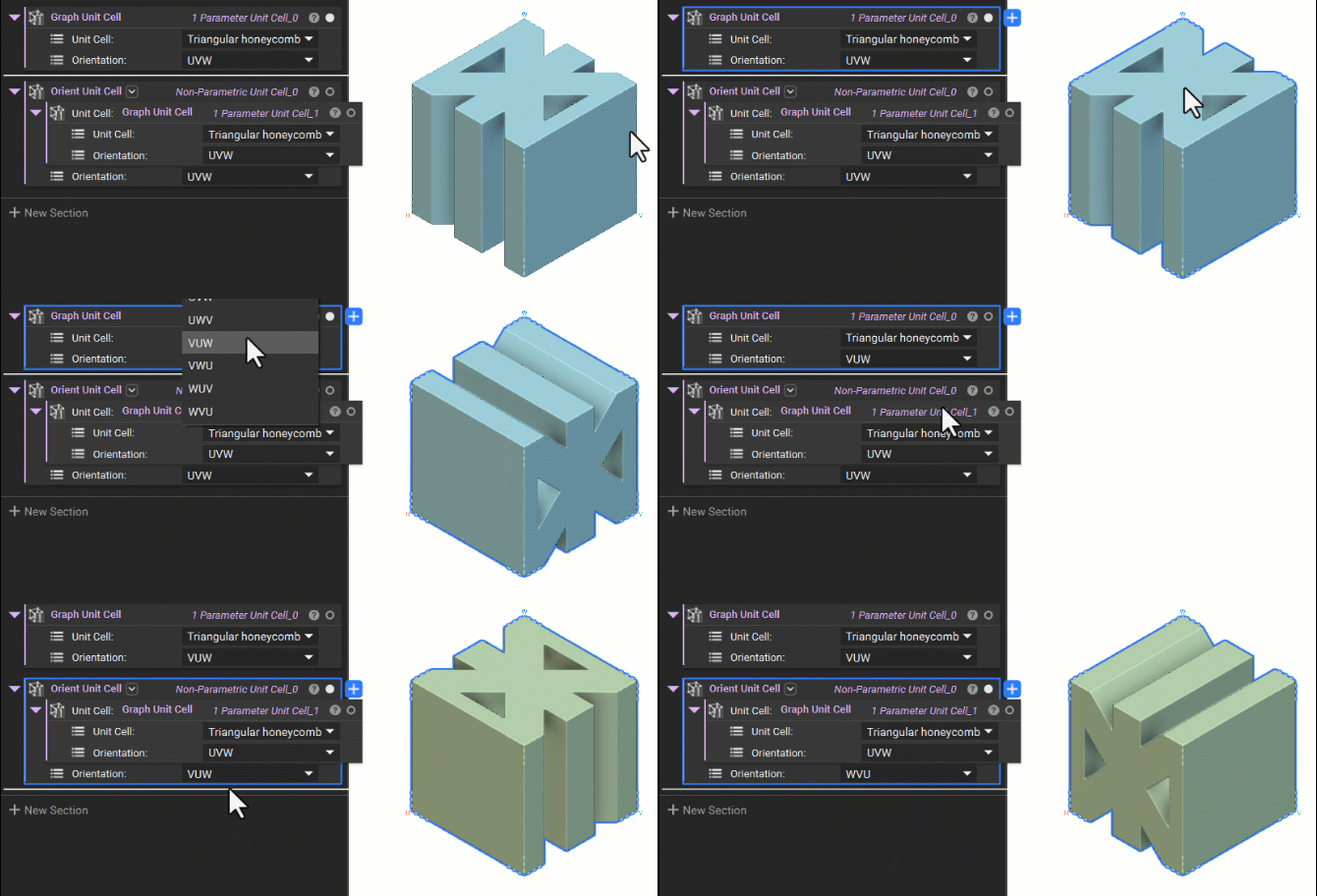
The second input of the Graph Unit Cell block allows you to change the cell’s orientation, or you can use the Orient Unit Cell block. The orientation changes the layout of the Unit Cell, which can affect the structure based on its usage.
Note: The preview will show thickness, but no thickness will be added to the Unit Cell at this step. The View Setting is just for visualization purposes.
Graph Properties
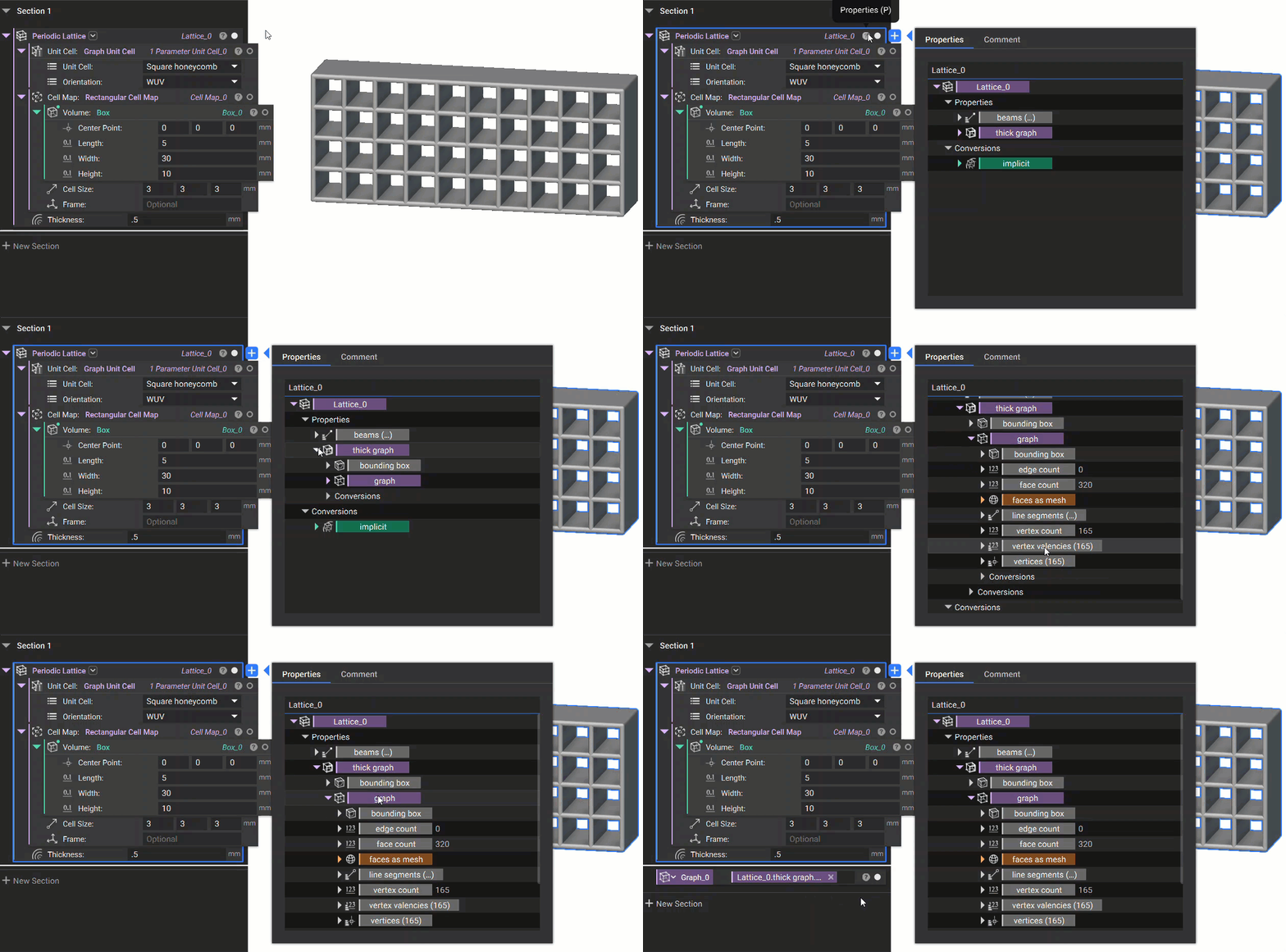
In the Properties of graph-based lattices, you can find the graph property. To use this property, drag it from the Properties panel into the Notebook or a block input. Expand the graph property to see valencies, edge counts, and more properties.
Graph Unit Cell Options
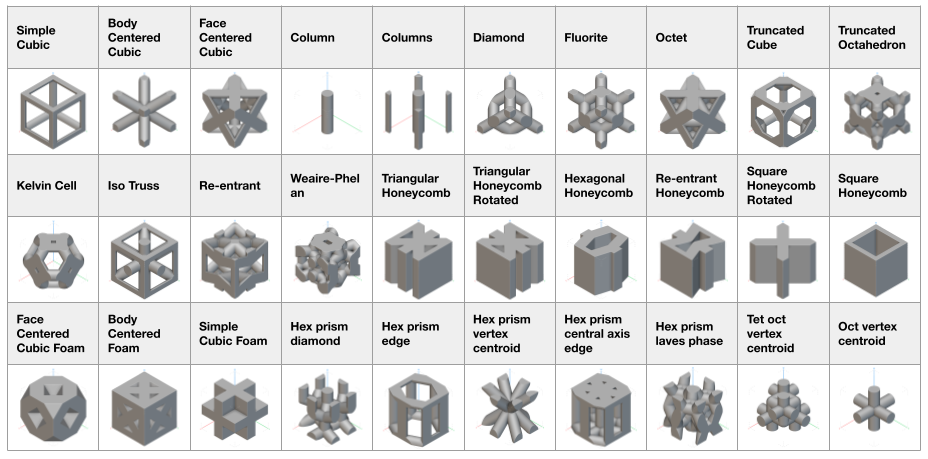
Below are the options available for Graph Unit Cells. If you are receiving an error when using a Hex prism and other non-cubic unit cells, Follow the steps listed in this article.
Some Notes on our Lattice Types:
- Honeycombs are hard to beat in the stiffness-to-weight ratio in their extruded direction. Still, they are much softer in the other two orthogonal directions (by around an order of magnitude).
- Octet lattices are stiff in all three principal directions but more challenging to manufacture.
- Stochastic foams are much more compliant but the easiest to finely tailor to a design’s functional requirements through cell size and relative density.
- Auxetic honeycombs can be designed to exhibit special properties like a negative Poisson’s ratio (contracts inwards when compressed instead of barreling outwards).
For more information on our lattices and their properties, check out this blog post, Architected Materials for Impact Absorption.