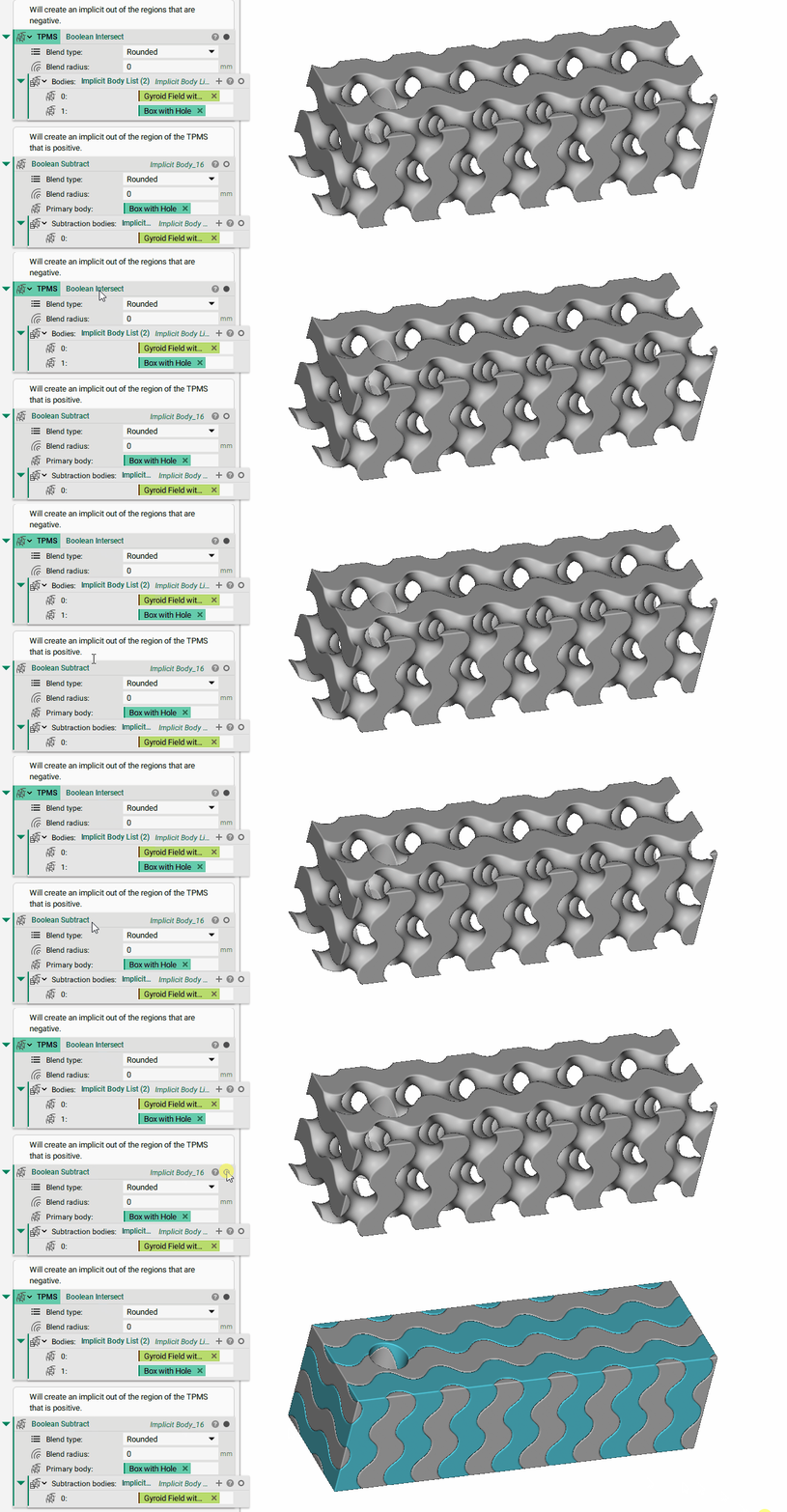
TPMS Structures
In this example, we will talk specifically about TMPS fields and how we can create structures from them. This could be helpful in heat exchanger applications.
All of our TPMS structures are generated by functions of sine and cosine equations. Below is an example of a gyroid.
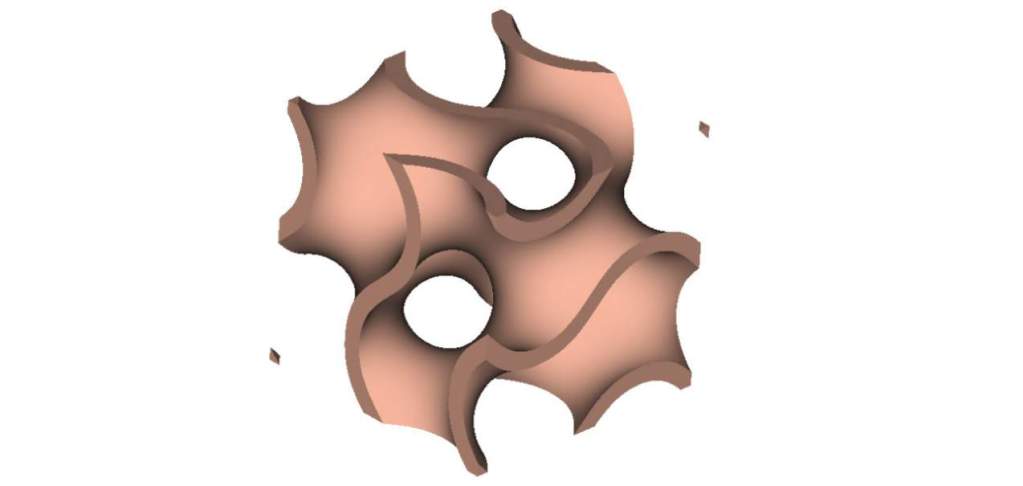
sin(x) cos(y) + sin(y) cos(z) + sin(z) cos(x)
TPMS Fields in nTop (like the Gyroid Field) are unitless, so to create parts from them, we must Multiply by units. Furthermore, these fields extend infinitely in 3D space. We can use Set Field Bounding Box or Boolean Intersect to create a defined implicit body.
For this example, let’s look at this box and cylinder and create a Box with Hole.

Now, let’s create a Gyroid Field and look at how we can take this field and convert it into an implicit body with this TPMS structure.

If we want to implement this into our part, we have to first give it units by multiplying by 1mm. Then, we can use a Boolean Intersect to ensure the implicit body is bounded.
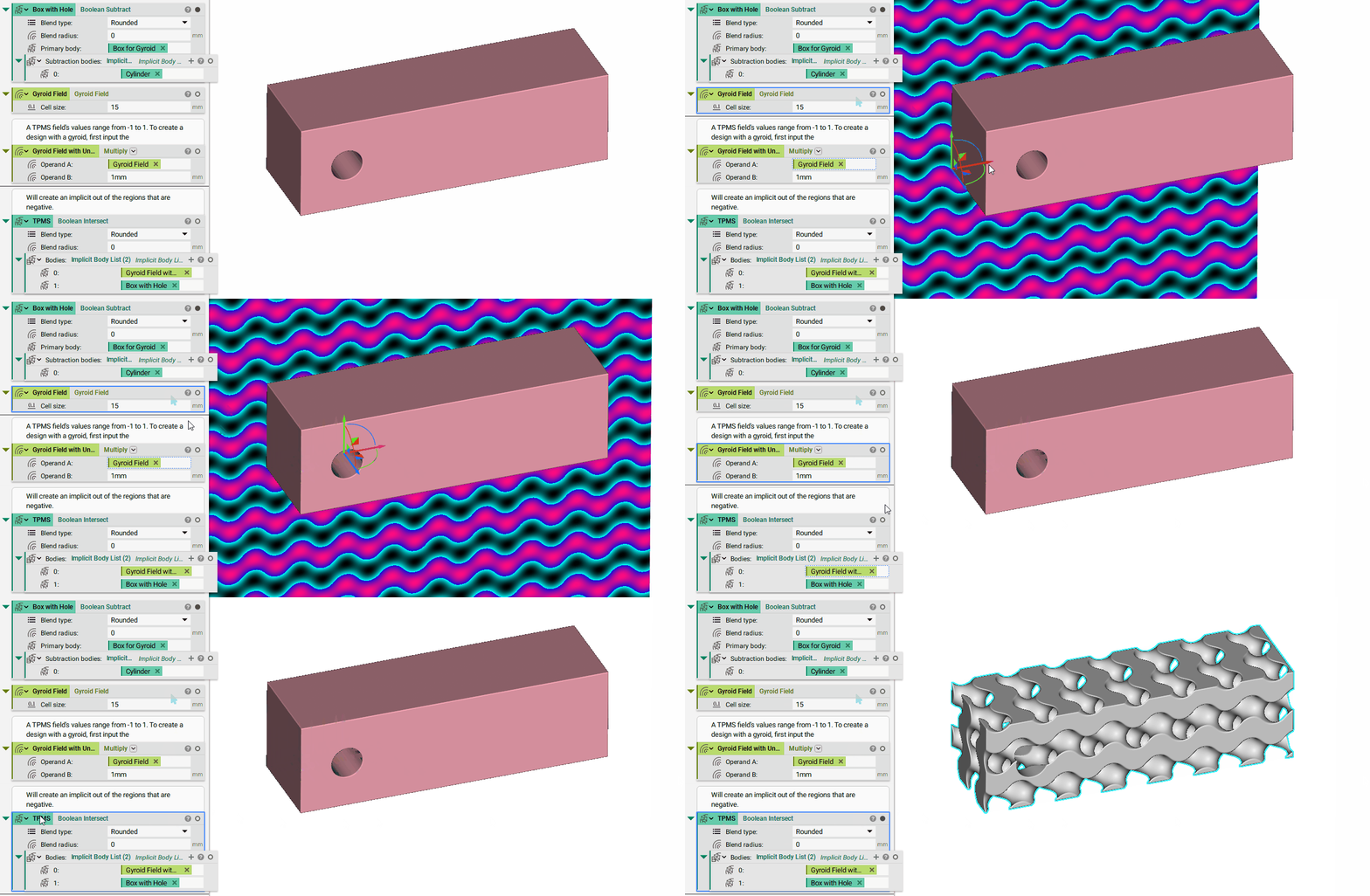
Wherever the fields are negative, we will retain material, and wherever positive, we will have open space.
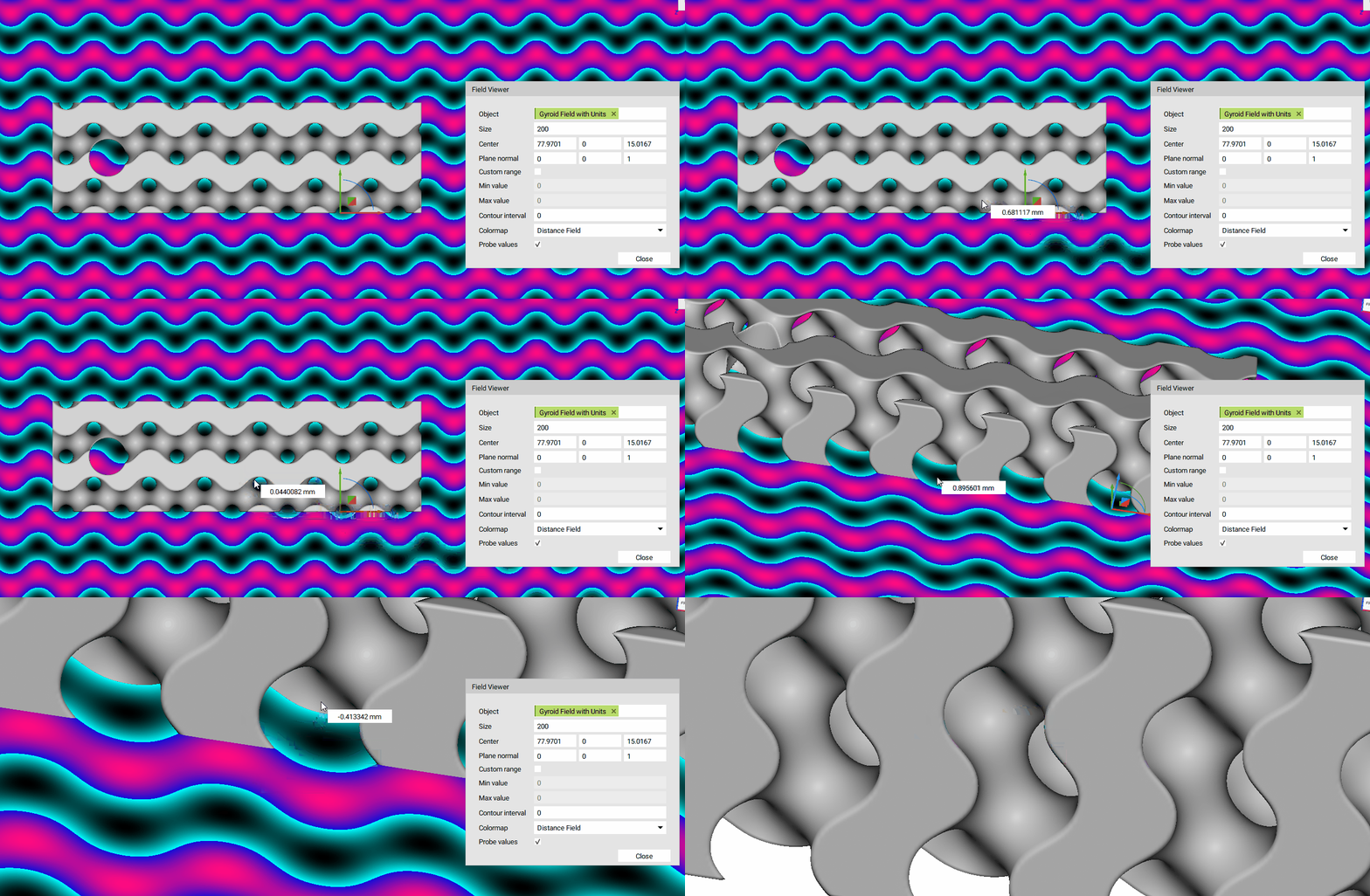
If, instead, we want to create an implicit body with the region of the TPMS that is positive, we would use a Boolean Subtract block.